

Sandra Tuck: Agro-ecological small farms and why they matter
Sandra Tuck MRTPI is a CPD Trainer for the Agro-ecological small farming eLearning
I have always been passionate about the environment, and particularly biodiversity. I started out studying for a Biological Sciences degree at Birmingham University in the 1980s and spent more than 20 years working in third sector organisations such as the RSPB, Farming and Wildlife Advisory Group, WWT Slimbridge, the Waterway Trust and Avon Wildlife Trust. This experience really triggered my interest in strategic planning and what this could do for nature conservation.
My interest in the environment and nature recovery sparked an interest in farming and the ways in which our post war farming practices have negatively impacted biodiversity and are depleting our soils, some say to the point of no return. High profile cases recently covered in the news remind us again of the damage that more intensive farming can do to our ecosystems.
So, when I noticed the Ecological Land Cooperative (ELC) was looking for someone to help with planning, I wanted to get involved. I prepared for my new role by reading the “Low Impact Development – Planning and People in a Sustainable Countryside” by Simon Farleigh. This is an excellent book and everything in it recognisable and current, but I was saddened to discover that it was written almost 30 years ago, with very little evident progress.
Farm stewards at the ELC have to meet high standards of environmental stewardship, so in addition to growing fruit, vegetables, fruit trees, flowers and other land based products, they also have to look after and improve the land, including soil quality and biodiversity. Having now met some of the ELC farm stewards I am blown away by their commitment, passion, incredible skill hard work and sheer determination to do something so important and yet so very difficult in today’s climate.


Unfortunately, farm stewards attempting to set up new horticultural and small farm businesses using ecologically sensitive farming practices, which also require them to live on the land, face enormous barriers, particularly planning barriers.
The issue of rural workers dwellings was a new area of planning for me. After reading up on current policy, the outcomes for planning applications, appeals and meeting with farm stewards, who are often forced to live in caravans (sometimes for many years), it was clear that there is already a good understanding of the barriers faced by stewards. By tackling the planning barriers we could make a real difference and start to turn this situation around. By positively support agroecological farming we will also be promoting a whole range of much needed positive social, economic and environmental outcomes in our rural communities.
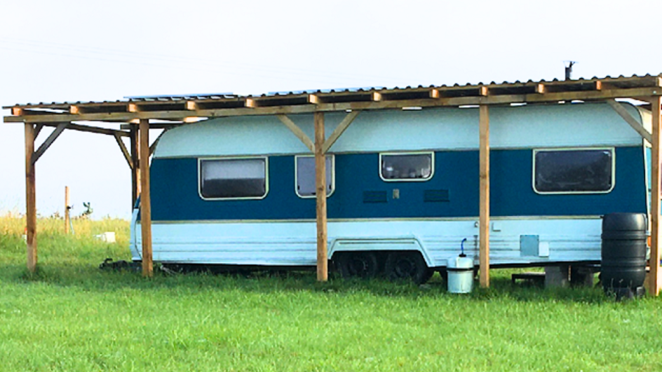
A typical caravan used by farm stewards
The Ecological Land Cooperative teamed up with RTPI National Training Team to develop new CPD material to support planners develop their knowledge about agro-ecological small farming. We used ELC’s case studies and ELC’s recent research funded by the Joseph Rowntree Trust. This training content will give planners the confidence to make informed decisions about planning applications for rural workers dwellings on agroecological farms and encourage policy planners to consider new policies and guidance to support this important work into the future
This flexible, online training ‘Agro-Ecological Small Farming Applications’ will be available for RTPI Members in England for free via our learning platform, but registration is required via this form.
Please also look for complementary activities in our training and event calendar relating to rural planning.